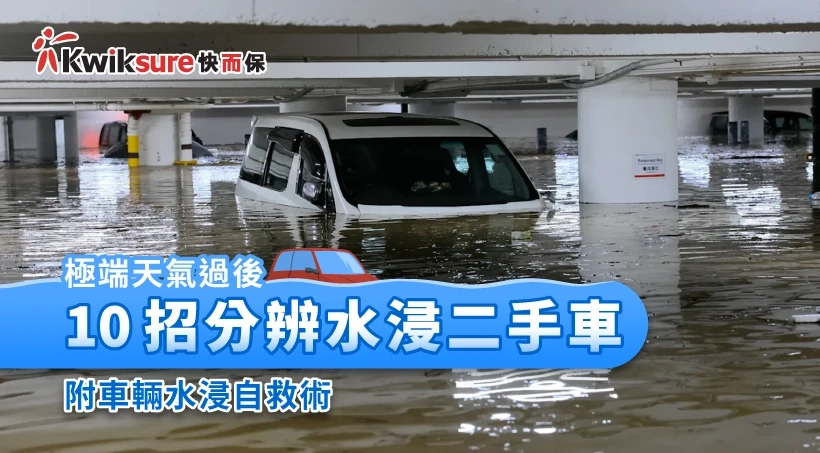
Most of the used cars for sale have been refurbished or cleaned before becoming available in the second-hand market. However, there are still telltale signs that can reveal a flood-damaged vehicle. Don't want to end up with a lemon? The 10 tips below will help you identify flood-damaged used cars! Remember that it's best to inspect a vehicle in a well-lit area and ask a friend who knows cars to lend a hand.
1. The carpet
After being submerged in water, carpets are likely to develop a musty odor. Even after exposure to intense sunlight, this odor still may not completely go away. Unscrupulous sellers often use huge amounts of perfume to mask this weird smell, and buyers should be aware of this. Moreover, you can gently press down on the carpet. Since both the carpet and the soundproofing material underneath are made of sponge, if they have been waterlogged, the sponge's elasticity will be affected.

2. Rubber part interfaces
Open the doors and inspect the rubber parts near the door sills that connect to the vehicle floor. If you notice any pry marks or misalignment, chances are that the soundproofing materials beneath the floor had had to be cleaned.

3. Rubber edges on the entire vehicle
Due to the presence of large amounts of leaves and mud during flooding, it is possible for them to accumulate within the rubber edges. Moreover, sellers may not clean these areas. Therefore, buyers can peel back the rubber edges of the doors, tailgate, and engine bay to check for any traces of mud or debris.
4. Seat belts
Seat belts are mostly made of nylon in a high-density weaving process. Seat belts that have been through a flood may have a darker color. Buyers can pull out the entire seat belt and check for any two-tone appearance. It is also important to carefully inspect the underside of seat belts for signs of mold.

5. Fuses
The fuse box is usually located below the steering wheel or in the engine bay. Buyers can open the fuse box and take out the fuses to check for signs of oxidation. If oxidation is found, the vehicle may have been submerged in water, which can lead to short circuits or even fires in electronic components. This poses a significant danger.

6. Cigarette lighter
If the cigarette lighter has been submerged in water, the buyer may not clean off the water stains right away. As a result, after some time, the cigarette lighter may show signs of rusting.
7. Electrical components
Flood-damaged vehicles are more prone to short circuits. You can test the various electrical components inside the car, such as the car stereo, fan, and USB ports, to check if they are functioning properly. Also, watch out for the presence of unusual smells.
8. Engine bay
The inner wall of the engine bay near the cabin is usually lined with fireproof sound insulation material. Buyers can visually inspect if the color appears different and gently press it with their fingers to check if it feels dry, firm, and elastic. Also, carefully inspect the plugs, wires, and air deflectors for signs of mud stains or water stains.

9. Seat Rails
Water is the biggest enemy of metal, especially for metal components inside the car that have not been rust-proofed, such as the rails beneath the seats. After being submerged in water, they are prone to rusting. You can simply adjust the seat position to inspect the rails. If the seats are power-adjustable, you can also check if the seat motors have been damaged by water.
10. Spare tire
The spare tire is typically placed at the bottom of the trunk at the back of the vehicle. It is often covered by a lid and is less frequently accessed. Moreover, its concave shape makes it prone to water accumulation. When inspecting the vehicle, you can remove the spare tire and carefully inspect its surroundings for signs of water damage.